
Caring for Vulnerable Mothers During a Pandemic

April 12 2021

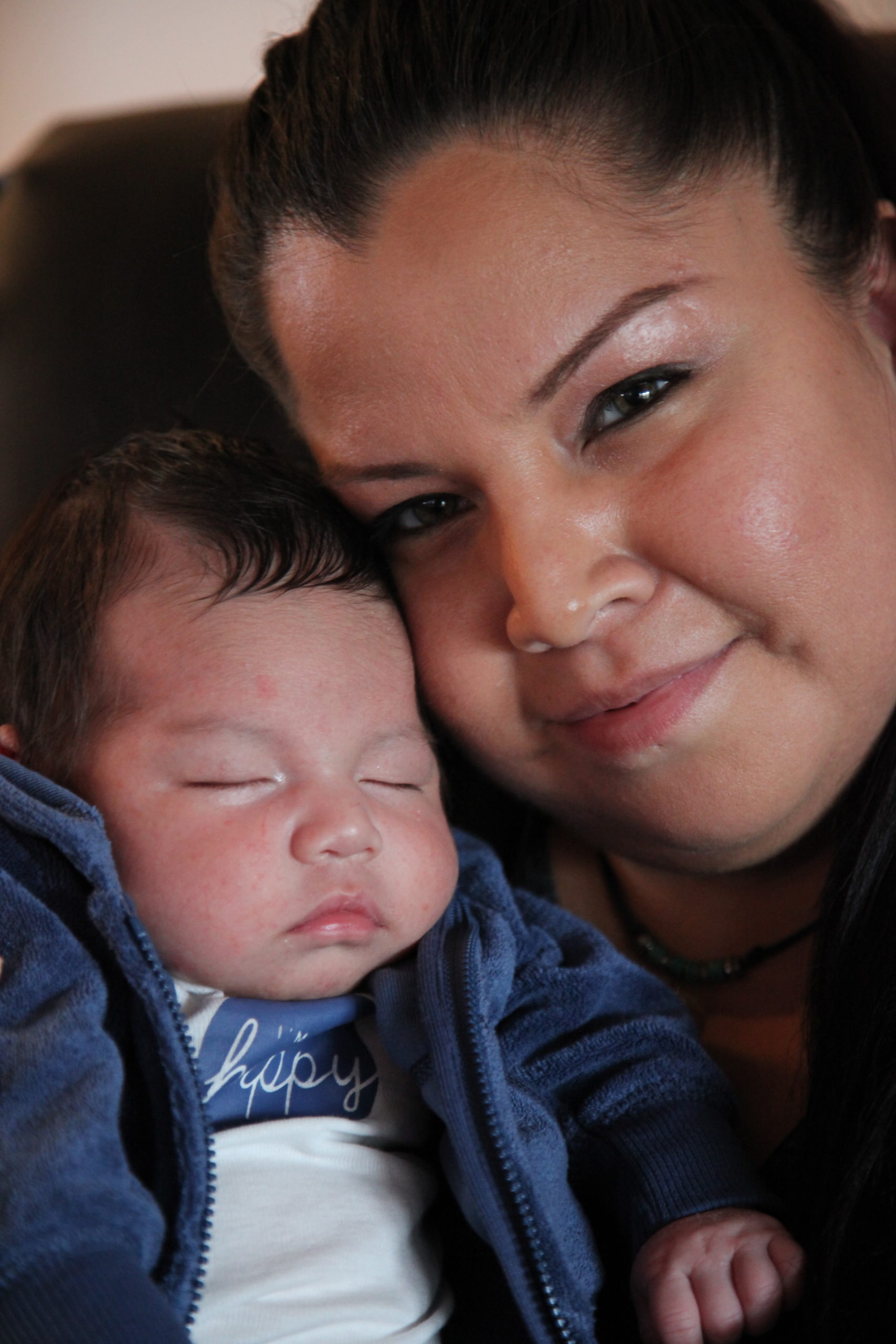
Villa Rosa has been caring for young and vulnerable mothers in Manitoba since the 1890’s, and while many things have changed over the years, nothing prepared the staff or the mothers themselves for the changes brought about the pandemic.

“We’re dealing with women who come to us during a very vulnerable time,” explains the Executive Director of Villa Rosa, Kathy Strachan. “They are often coming from abusive backgrounds, the foster care system, and are battling addictions with little to no support system. We’re here to support them as they prepare for their baby’s arrival. That looks like something different for every mother: parenting classes, getting a high school diploma, support staying sober, and of course, a community that accepts them and encourages them.”

Villa Rosa has space for 25 mothers in their main building and another 8 in a separate building which houses an independent living program that hosts mother and baby for up to a year as they continue to learn the skills they need to create a healthy life for their new family. Those two buildings came in handy when Covid-19 hit.

“The secondary building became, in a sense, our quarantine space,” continues Strachan. “We’ve had five cases of Covid-19 in the past year, all of them from new arrivals to our space. At the first sign of any symptoms, we’d get them set up and comfortable in a space of their own and get them tested. We are proud to say we had no spread within the program, either to other mothers or our staff. But the costs started to add up quickly.”

Normally, as a residential program that provides food and snacks for its participants, Villa Rosa buys all of their food in bulk. “All of a sudden, something like milk became a huge obstacle,” explains Strachan. “We need individual servings for those in quarantine, we needed individual services for those in the main space to decrease contact areas…all of our systems were upended, as was our budget.”

Strachan approached several organizations in a bid to find a way to cover the rising costs of caring for moms and their babies. Réseau Compassion Network, which normally provides a donation of $2,000 a year, was able to provide a one-time grant of $20,000 to help cushion the financial blow this year. “This contribution really means the world to us,” she says. “I tried a lot of places and everyone seemed to be as overwhelmed as we were. We’re so thankful to have this request come through.”

As for the staff, mothers and babies who are still coping with the effects of Covid-19 at Villa Rosa, they’re adapting and getting by. “In a strange way, it was a real bonding moment for a lot of us,” Strachan admits. “We kept some women longer than we normally would and had stopped intakes at the beginning of the pandemic while we made a game plan. The end result was a close-knit group of women who will be there to support each other long after they leave us.”

Archives

Latest Posts


✨Free keynote presentation for staff and volunteers!✨On June 18, as part of this year’s Annual General Meeting, we’re pleased to invite staff from across Réseau Compassion Network to attend a special keynote presentation by Dr. Gillian Mandich:Resilience, Reimagined: Evidence-Based Strategies for Navigating Change with Clarity and ConfidenceSpots are limited! Click here to reserve your seat:reseaucompassionnetwork.ca/eventscalendar/resilience/•••✨Conférence gratuite pour le personnel et les bénévoles !✨Dans le cadre de notre assemblée générale annuelle le 18 juin, nous sommes heureux d’inviter le personnel du Réseau Compassion Network à assister à une conférence spéciale animée par Dre Gillian Mandich:La résilience réimaginée : des stratégies fondées sur des données probantes pour naviguer le changement avec clarté et confiance.Les places sont limitées ! Cliquez ici pour réserver votre place : reseaucompassionnetwork.ca/fr/eventscalendar/resilience/ ... See MoreSee Less
View on Facebook
A Reconciliation GatheringRecently, we came together for a day of learning, reflection and honest conversation focused on what meaningful reconciliation looks like in practice. Hosted at Anish Healing Centre, the gathering brought together staff, leaders, board members and members of our Indigenous Advisory Circle.Through presentations, fireside chats and group discussions, we explored practical ways health and social service organizations can create spaces where Indigenous staff and clients feel safe, respected, welcomed and cared for. From policies and hiring practices to accountability and inclusion, the focus was on meaningful change and the work still ahead.We forged relationships, had important conversations and shared a meal together, and are grateful for all those who were able to join us.•••Un rassemblement pour la réconciliationRécemment, nous nous sommes réunis pour une journée d’apprentissage, de réflexion et de conversations honnêtes autour de ce que signifie une réconciliation concrète en pratique. Accueilli par Anish Healing Centre, le rassemblement a réuni des membres du personnel, des leaders, des membres du conseil d’administration ainsi que des membres de notre Cercle consultatif autochtone.À travers des présentations, des causeries au coin du feu et des discussions de groupe, nous avons exploré des façons concrètes pour les organismes de santé et de services sociaux de créer des espaces où les membres du personnel et les client.e.s autochtones se sentent en sécurité, respecté.e.s, bienvenu.e.s et soutenu.e.s. Des politiques et pratiques d’embauche à l’inclusion et à la responsabilisation, l’accent a été mis sur des changements significatifs et sur le travail qu’il reste à accomplir.Nous avons créé des liens, eu des conversations importantes et partagé un repas ensemble, et nous sommes reconnaissants envers toutes les personnes qui ont pu se joindre à nous. ... See MoreSee Less
View on Facebook