
Since 2014, more than 50 people supported by St.Amant at 440 River Road have successfully transitioned to life in the community, an achievement that the organization made sure to celebrate on June 12.
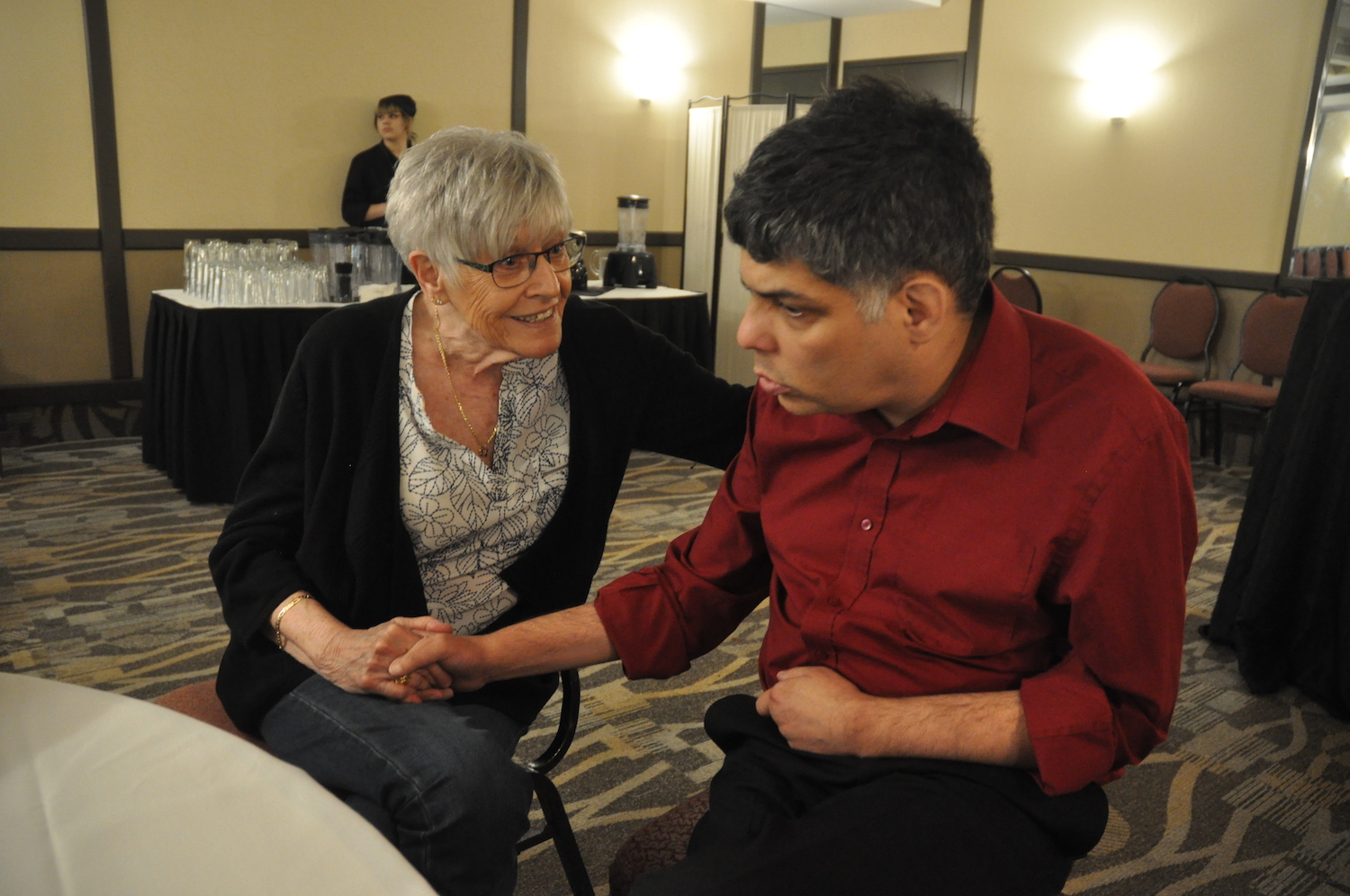
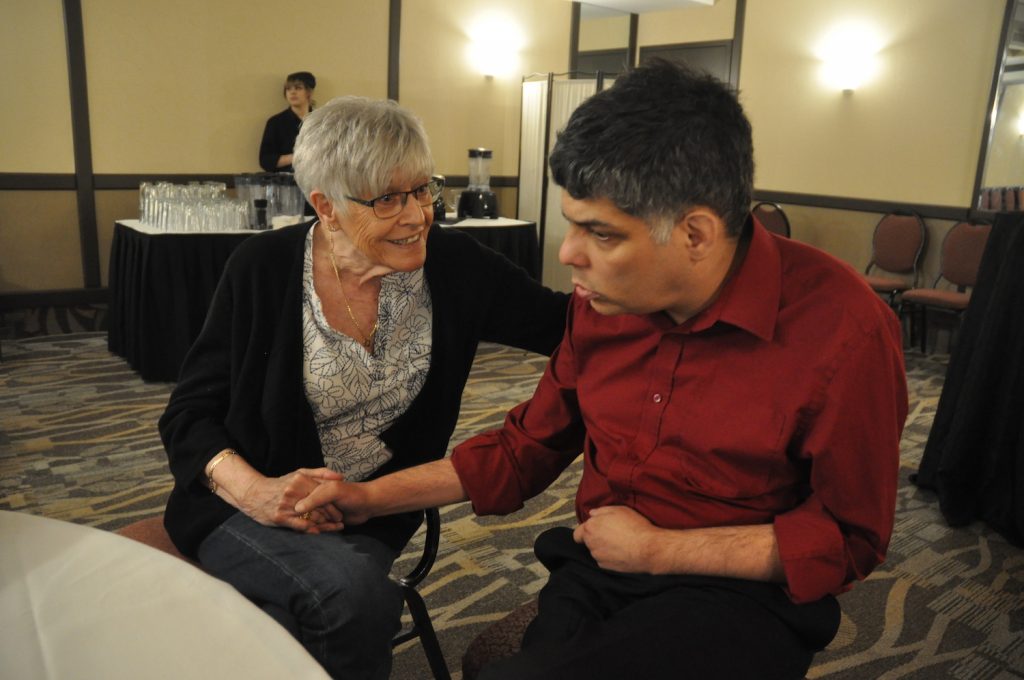
Maureen Phillips clearly remembers the day her adult son, Benji Kessler, then living at 440 River Road, left to go live in one of the organization’s community homes with three other men with developmental disabilities. That was about two and a half years ago.
“I fought against his desire to move. He had lived at River Road Place – now called St.Amant’s Health & Transition Service for over 40 years. He was always taken care of there. I was very worried about changing all that.”
Her fears proved largely unfounded. “He loves living out in the community. It’s opened up a whole new world for him. At the centre, he was well cared for and safe, but his only outings were the cafeteria or the courtyard. Now he gets to play sports, go to the pool, to the restaurant, see movies, play arcade games, go for haircuts… He’s never home!”
“He leads a much richer social life than I do! I could never have imagined that for him. I’m so happy to see him so happy that it sometimes makes me cry.”
Benji is one of 50 or so people supported by St.Amant who have moved out into the community—whether to a St.Amant community home or one belonging to another organization, or to a foster family or their own family—since the organization’s strategic plan made transition to the community a priority goal in 2014.
John Leggat, St.Amant’s President and CEO, explains. “Before developing our 2014-2018 strategic plan, we observed practices elsewhere in North America and concluded that institutionalized care was not the best option for adults with disabilities. Community care, whenever possible, is much more beneficial.”
Dave Nyiro, manager of adult health services in the Health & Transition Service, adds: “People always thrive better in their communities because they have easier access to everything. And since they have fewer roommates, they can also choose the music they listen to, the movies they watch, and even what and with whom they eat. It makes a big difference in their quality of life.”
In community homes, support workers are present 24/7. A nurse, Sheila Chatyrbok, is also available to consult with staff and people supported in the homes, in addition to her regular visits, she ensures that people who have moved from 440 River Road are in good health.
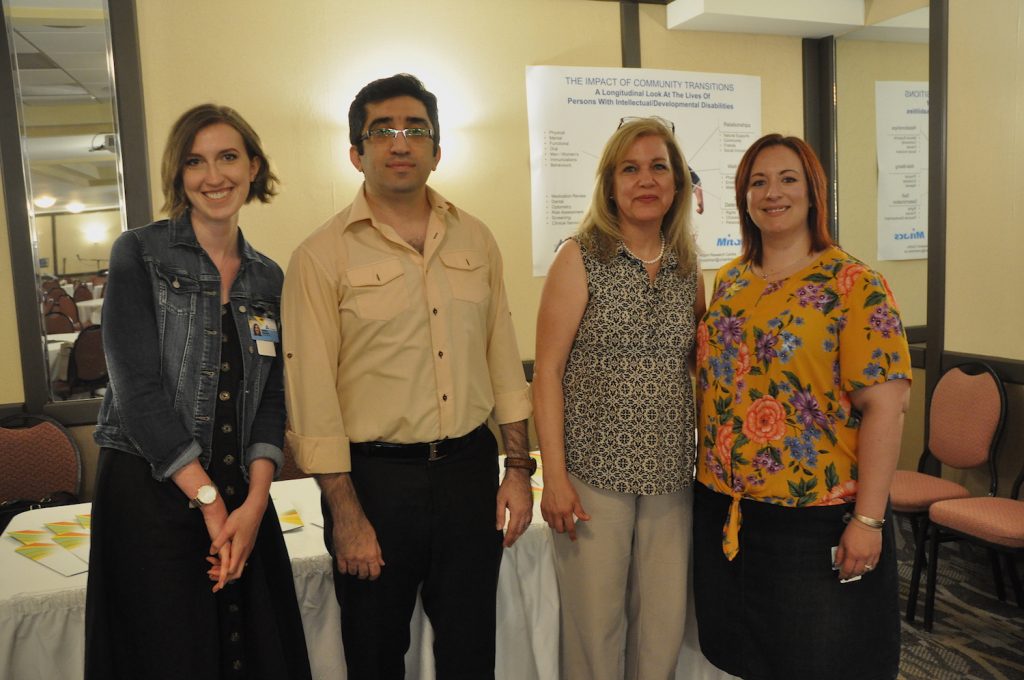
Janice Ranson is a social worker with St.Amant. With Chatyrbok, she supports the transition process for people who are moving to the community, “If someone really wants to go, we always try to find a way to make it possible, regardless of their abilities.” Once the transition is made, she ensures that the person’s quality of life does not decline.
The health and quality of life of adults with disabilities who have moved out into the community after living at St.Amant is the subject of a five-year research project conducted by Dr. Shahin Shooshtari. The project is in its third year and is funded by the Winnipeg Foundation.
Shooshtari explains. “The purpose of the research is to compare people’s lives before and after transition in terms of health, quality of life, access to services, and the impact on families and caregivers. It’s the first time in Canada that we’ve been able to collect a vast set of data on the health and quality of life of adults with developmental disabilities.”
The data include indicators like rates of diabetes, cancer and vaccination, as well as quality of life and activity levels.
Shooshtari: “We’ve compared our data with Canadian primary health guidelines for adults with disabilities. It was found that none of the people supported by St.Amant had diabetes, which is good, but only 50% were vaccinated against Hepatitis B. Those result needs to improve.”
For now, the data have mainly been collected before people move out into in the community. The research will continue in order to obtain post-transition data for comparison. The impact on families and caregivers will also be the focus of the second part of the study, which should be completed in 2021.
“With this research, we can maintain what works well and improve what doesn’t,” says Shooshtari.
