Sara Riel and Marymound Sign Winnipeg’s Indigenous Accord

October 25 2021

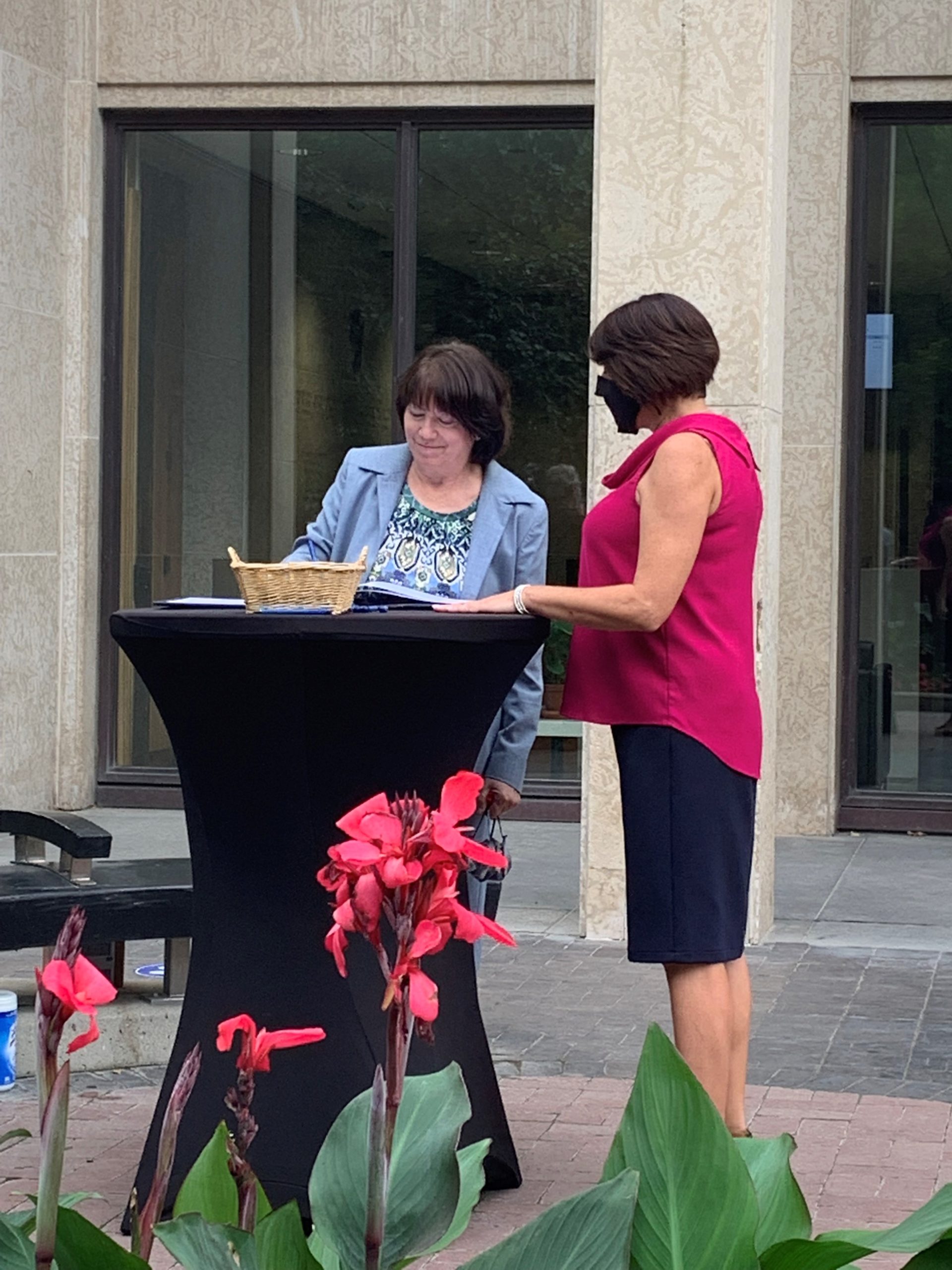
This summer, the remains of hundreds of children were found on the sites of former Canadian residential schools. After the discovery of these unmarked graves, Winnipeg’s Indigenous Accord gathered many signatures in support and partnership. Partners of the Accord collaborate with local Indigenous and non-Indigenous organizations, groups and individuals to explore and implement steps to achieve reconciliation. Sara Riel and Marymound signed the Accord in September 2021. “It’s very important that we all walk with Indigenous people, and listen and learn from them,” says Tara Snider, CEO of Sara Riel Inc.

As an organization that offers services for mental health and addictions, Sara Riel joined the Accord to reduce the barriers, stigma and racism Indigenous people face when accessing health services. The organization aims to focus on the ninetieth call to action of the Truth and Reconciliation Commission of Canada which says, “We call upon the federal government, in consultation with Aboriginal peoples, to establish measurable goals to identify and close the gaps in health outcomes between Aboriginal and non-Aboriginal communities.” Sara Riel’s efforts focus on suicide, mental health and addictions. “When offering our services to Indigenous people we need to make sure it’s done respectfully,” says Snider.
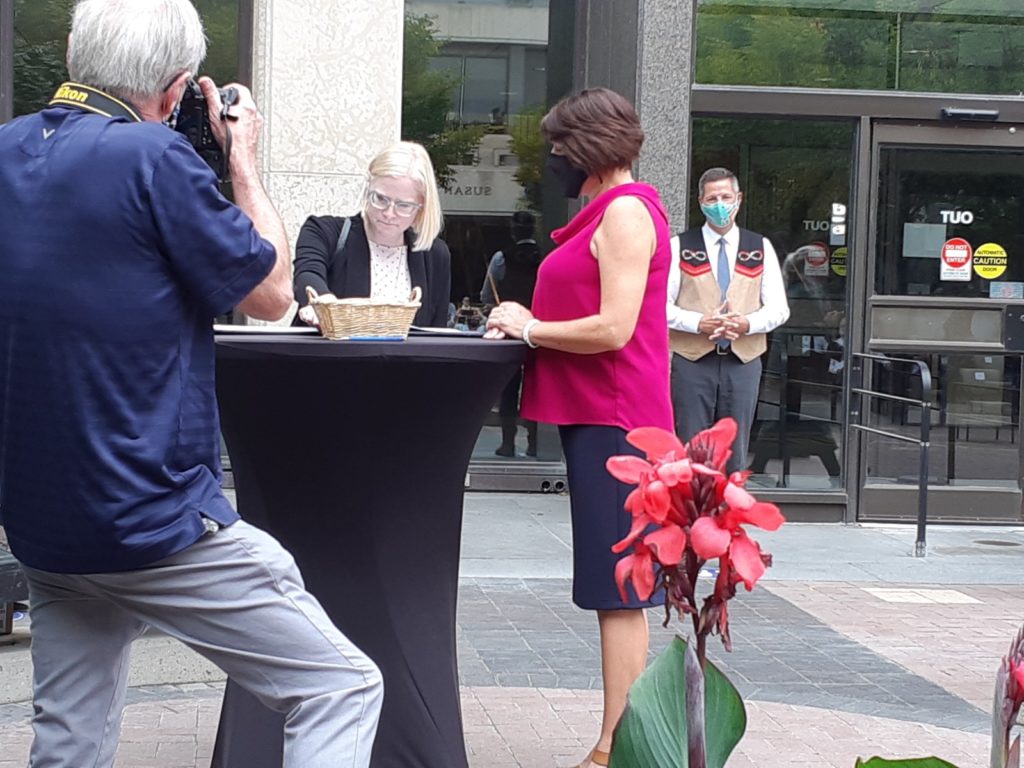
Given that it supports youth and families, many of which are Indigenous, Marymound was deeply engaged in listening and understanding truth and reconciliation before becoming a partner of the Accord. “Signing the Accord was a way to publically step forward and show that reconciliation is of deep importance to us,” says Nancy Parker, Executive Director at Marymound. As a partner of the Accord, the organization focuses on weaving in Indigenous approaches into policies, practices, healing models, and other Indigenous programs. This includes having an Elder in residence and complementing Western approaches with Indigenous approaches to trauma, addictions and mental health.

Each year, partners of the Accord reflect on and review their commitment to reconciliation. They set and modify goals, and track their progress. “What’s promising about the Accord is that, instead of giving partners generic recommendations, it calls on them to look at their organization and make changes,” says Tara. “When we sign the Accord we’re committing to making real change.”

The more partners the Accord has, the more the City of Winnipeg will see change. “Winnipeg has one of the largest Indigenous populations in Canada. We see the effects of policies, racism, colonization, and residential schools. We see the disintegration of Indigenous communities and families. To have the City create something that supports reconciliation is very beneficial because it helps us create a better future collectively,” says Parker.

To join the Accord, please visit https://winnipeg.ca/indigenous/wia/.

Archives

Latest Posts


✨Free keynote presentation for staff and volunteers!✨On June 18, as part of this year’s Annual General Meeting, we’re pleased to invite staff from across Réseau Compassion Network to attend a special keynote presentation by Dr. Gillian Mandich:Resilience, Reimagined: Evidence-Based Strategies for Navigating Change with Clarity and ConfidenceSpots are limited! Click here to reserve your seat:reseaucompassionnetwork.ca/eventscalendar/resilience/•••✨Conférence gratuite pour le personnel et les bénévoles !✨Dans le cadre de notre assemblée générale annuelle le 18 juin, nous sommes heureux d’inviter le personnel du Réseau Compassion Network à assister à une conférence spéciale animée par Dre Gillian Mandich:La résilience réimaginée : des stratégies fondées sur des données probantes pour naviguer le changement avec clarté et confiance.Les places sont limitées ! Cliquez ici pour réserver votre place : reseaucompassionnetwork.ca/fr/eventscalendar/resilience/ ... See MoreSee Less
View on Facebook
A Reconciliation GatheringRecently, we came together for a day of learning, reflection and honest conversation focused on what meaningful reconciliation looks like in practice. Hosted at Anish Healing Centre, the gathering brought together staff, leaders, board members and members of our Indigenous Advisory Circle.Through presentations, fireside chats and group discussions, we explored practical ways health and social service organizations can create spaces where Indigenous staff and clients feel safe, respected, welcomed and cared for. From policies and hiring practices to accountability and inclusion, the focus was on meaningful change and the work still ahead.We forged relationships, had important conversations and shared a meal together, and are grateful for all those who were able to join us.•••Un rassemblement pour la réconciliationRécemment, nous nous sommes réunis pour une journée d’apprentissage, de réflexion et de conversations honnêtes autour de ce que signifie une réconciliation concrète en pratique. Accueilli par Anish Healing Centre, le rassemblement a réuni des membres du personnel, des leaders, des membres du conseil d’administration ainsi que des membres de notre Cercle consultatif autochtone.À travers des présentations, des causeries au coin du feu et des discussions de groupe, nous avons exploré des façons concrètes pour les organismes de santé et de services sociaux de créer des espaces où les membres du personnel et les client.e.s autochtones se sentent en sécurité, respecté.e.s, bienvenu.e.s et soutenu.e.s. Des politiques et pratiques d’embauche à l’inclusion et à la responsabilisation, l’accent a été mis sur des changements significatifs et sur le travail qu’il reste à accomplir.Nous avons créé des liens, eu des conversations importantes et partagé un repas ensemble, et nous sommes reconnaissants envers toutes les personnes qui ont pu se joindre à nous. ... See MoreSee Less
View on Facebook